Safely Handling
Long Loads
Don’t Gamble With Long Loads
Long loads don’t fail suddenly.
They fail when risk is ignored, assumptions stack up, and control is lost inch by inch.
Handling long, awkward, or unstable loads is one of the highest-risk operations on any site.
Not because the equipment is weak.
Not because operators are reckless.
But because long loads magnify every small decision: speed, angle, surface, visibility, attachment choice.
When something goes wrong, there’s no second chance.
The problem isn’t the load
It’s the margin for error
Long loads behave differently.
They shift.
They flex.
They exaggerate momentum.
They punish shortcuts.
What looks “fine” at pick-up becomes dangerous in transit.
What feels stable at ground level becomes unstable at height.
What worked yesterday fails today — because conditions changed.
Most incidents don’t happen because people are careless.
They happen because risk wasn’t obvious until it was unavoidable.

WHAT OUR CUSTOMERS SAY
The Windsor Difference
Windsor doesn’t treat long loads as a product category.
We treat them as a risk system.
That means looking at the entire chain:
-
Load type and variability
-
Handling method and travel path
-
Truck selection and stability margin
-
Attachment design and suitability
-
Operator visibility and confidence
-
Site layout, congestion and flow
Then removing uncertainty — before it becomes habit.
Why long-load incidents keep happening
Across timber yards, steel stockholders, builders’ merchants and manufacturing sites, the same patterns repeat:
-
Loads extending beyond forks without proper support
-
Incorrect or improvised attachments
-
Load centres underestimated or ignored
-
Reduced visibility and blind travel routes
-
Operators expected to “make it work” under pressure
-
Equipment specified for capacity, not control
None of these are dramatic decisions.
That’s exactly the problem.
Compliance doesn’t equal control
Yes, your trucks are certified.
Yes, inspections are up to date.
Yes, operators are trained.
But compliance only proves legality at a moment in time.
It doesn’t account for:
-
Real load lengths
-
Real site constraints
-
Real surfaces and gradients
-
Real behaviour under time pressure
Long-load safety lives between the rules, not inside them.
It’s not about lifting more
It’s about controlling more
Many long-load incidents happen well below rated capacity.
The danger isn’t weight.
It’s leverage, movement, and unpredictability.
The right solution often isn’t “a bigger truck”.
It’s a more appropriate one — or a different configuration entirely.
Control beats capacity every time.
Typical long-load scenarios we solve
-
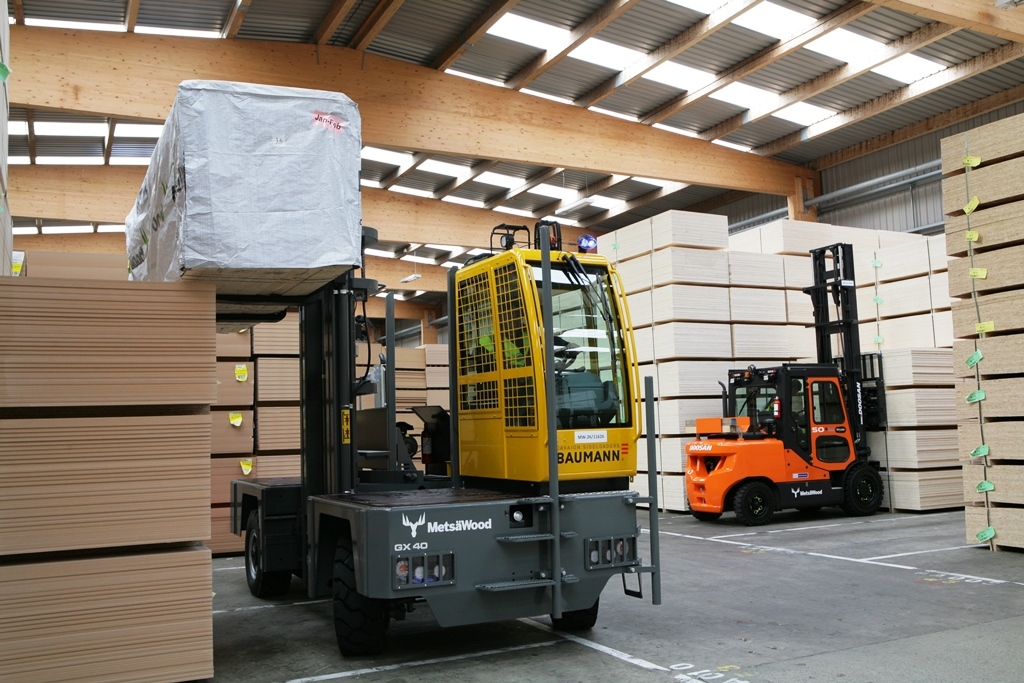
Timber packs shifting during travel
-
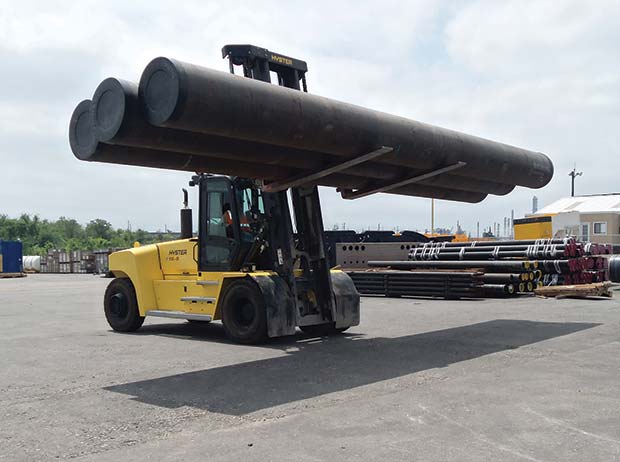
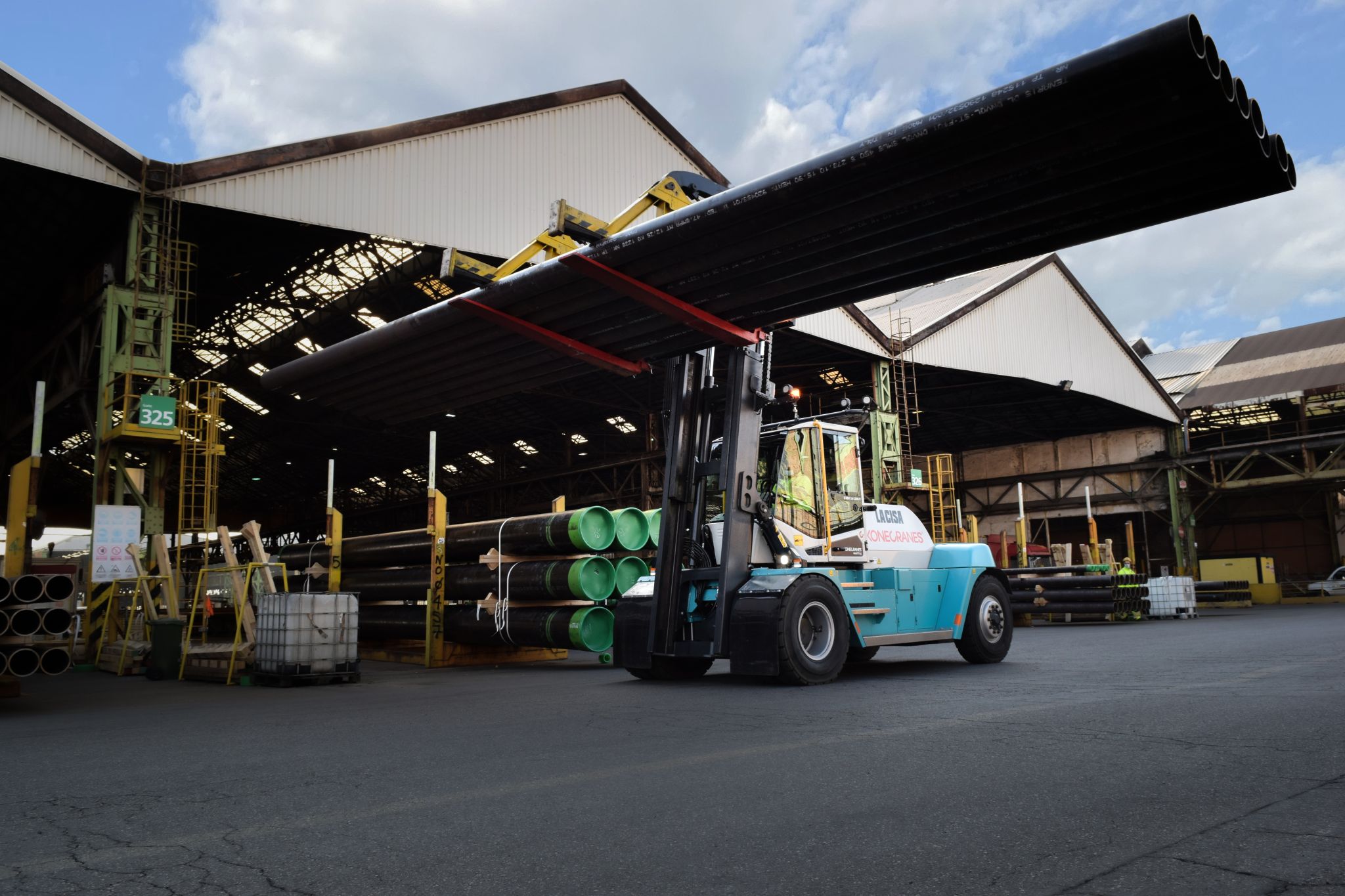
Steel sections flexing and rolling on forks
-
Long pallets obscuring operator visibility
-
Loads exceeding safe load centres without anyone realising
-
Attachments chosen for convenience, not stability
-
Sites relying on “experienced operators” instead of engineered solutions
If any of these feel familiar, you’re not alone.
What happens when risk is ignored
Long-load incidents don’t just damage product.
They cause:
-
Serious injuries or fatalities
-
Forklift instability and tip-overs
-
Costly downtime and investigations
-
Insurance scrutiny
-
Reputational damage
-
Permanent changes to how a site is viewed
And once it happens, everyone asks the same question: Why was this allowed to happen?
You don’t need luck
You need control
This campaign isn’t about fear.
It’s about removing guesswork.
Windsor helps businesses handling long loads move from:
-
Habit → discipline
-
Assumption → evidence
-
Capacity → control
So risk is managed deliberately, not reactively.
Speak to a long-load specialist
If your operation handles long, awkward or unstable loads — even occasionally — this conversation matters.
Not to sell you equipment.
Not to lecture you on rules.
But to identify where risk is quietly accumulating.